Understanding Real Estate

Real Estate 101

Types of Real Estate Transactions

Purchase and Sale

  • Most common transaction: a property is sold by one party and bought by another.

  • Involves a contract of sale, settlement process, and legal title transfer.

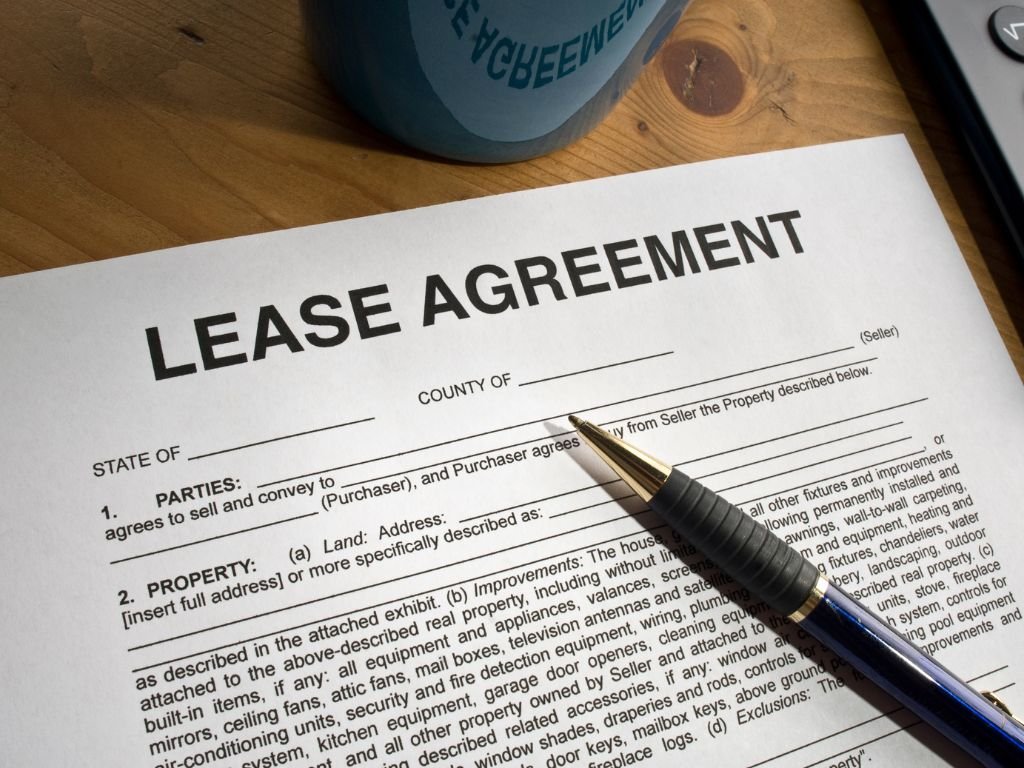
Leasing/Renting

  • Property is rented out for a set period in exchange for rent payments.
    Can be:
  • Residential lease (home, apartment)
  • Commercial lease (office, retail, industrial)

Includes agreements on terms, duration, and responsibilities

Off-the-Plan Purchase

  • Buyer agrees to purchase a property that is not yet built or completed.
  • Often in new developments or apartment projects.
  • Risk involves changes in value or construction delays.

Auction

  • A public sale where buyers bid, and the property is sold to the highest bidder.

  • Often has no cooling-off period.

  • Used in competitive markets to drive up price.

Private Treaty

  • A standard sale where a property is listed at a fixed price or negotiable range.
  • Buyers can make offers, and terms are negotiated privately.

Vendor Finance

  • The seller acts as the lender, allowing the buyer to make payments over time.
  • Useful if buyers can’t get traditional finance.

Rent-to-Own
(Lease Option)

  • Tenant rents the property with the option to buy it later.

  • A portion of rent may count toward the purchase price.

  • Popular with buyers who need time to build deposit or credit.

Assignment of Contract

  • A buyer sells their rights under a contract to another party before settlement.
  • Often seen in off-the-plan or pre-construction deals.

Short Sale / Distressed Sale

  • The property is sold for less than the amount owed on the mortgage, often to avoid foreclosure.

  • Requires lender approval and usually occurs under financial hardship.

Foreclosure / Mortgage Sale

  • The lender repossesses and sells the property after the borrower defaults.
  • Buyers can purchase at a discount, but conditions are strict and “as-is.”

Subdivisions &
Land Sales

  • Land is subdivided into smaller lots and sold individually.

  • Common in property development or rural-to-residential conversions.

Property Exchange / Swap

  • Two property owners agree to swap properties (e.g., house for apartment).

  • Often involves valuation and cash adjustment to match values.

contact

Ready to Take Control of Your Future?

Join Care Direct Marketing today and start building a business that fits your lifestyle — with full training, support, and unlimited growth potential.

Contact Form Demo